wellnessJuly 27, 20268 min read
7 Wellness & Recovery Habits Every Traveler Needs to Master
Discover 7 science-backed wellness and recovery habits that help frequent travelers and digital nomads sleep better, reduce stress, and stay healthy on the road.
By Gym Nomad
# 7 Wellness & Recovery Habits Every Traveler Needs to Master
Traveling frequently is exhilarating — new cities, new cultures, new experiences. But the constant movement takes a real toll on your body and mind. Disrupted sleep, irregular meals, time zone changes, and the mental load of constant adaptation can quietly erode your health if you don't have a solid wellness strategy in place.
The good news? You don't need a luxury spa or a week-long retreat to recover well. These seven science-backed habits can be practiced anywhere in the world, from a budget hostel to a five-star hotel room.
## 1. Protect Your Sleep Like It's Your Most Valuable Asset
Sleep is the single most powerful recovery tool available to you — and it's free. Yet travelers consistently sacrifice it for early flights, late-night networking, or simply struggling to fall asleep in unfamiliar environments.
**What to do:**
- Pack a quality sleep kit: a contoured eye mask, foam earplugs, and a white noise app like *Calm* or *Sleep Sounds*.
- Request a room away from elevators and street noise when booking.
- Maintain a consistent bedtime ritual — a few stretches, a breathing exercise, or reading a physical book — to signal your brain that it's time to wind down regardless of your location.
- Use the *Timeshifter* app to manage jet lag proactively before long-haul flights.
Aim for 7–9 hours. Even one night of poor sleep can impair cognitive performance by up to 30%.
## 2. Build a 10-Minute Morning Mindfulness Routine
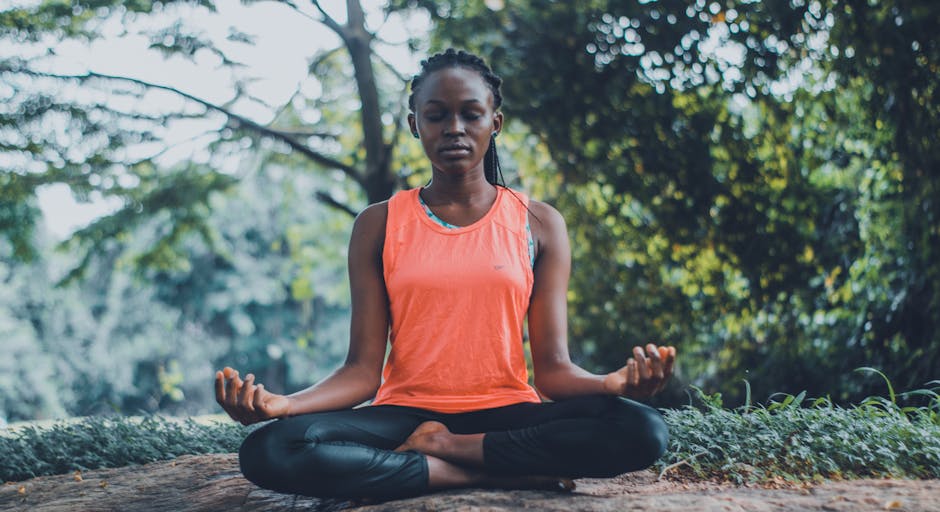
Starting your day with intention — rather than immediately checking emails or social media — sets a calmer, more focused tone for everything that follows. Mindfulness doesn't require a meditation cushion or an hour of silence.
**Try this simple sequence:**
1. **Box breathing (2 minutes):** Inhale for 4 counts, hold for 4, exhale for 4, hold for 4. Repeat.
2. **Body scan (3 minutes):** Mentally scan from head to toe, releasing any tension you notice.
3. **Gratitude journaling (5 minutes):** Write three specific things you're grateful for today.
Research shows that just five minutes of daily breathwork can measurably reduce cortisol levels and improve emotional regulation — critical skills when you're navigating airports, language barriers, and unpredictable schedules.
## 3. Master the Art of Active Recovery
Rest days don't mean lying on the couch all day. Active recovery — light movement that promotes blood flow without taxing your muscles — is far more effective at reducing soreness and fatigue than complete inactivity.
**Traveler-friendly active recovery options:**
- A 20–30 minute walk through your new neighborhood (bonus: you discover hidden gems)
- A gentle yoga flow using a free app like *Down Dog* or YouTube
- Swimming in the hotel pool
- Light stretching focused on hip flexors, hamstrings, and thoracic spine — the areas most affected by long flights and sitting
Aim for at least one active recovery session for every two intense workout days.
## 4. Hydrate Strategically — Not Just Reactively
Dehydration is one of the most underestimated performance killers for travelers. Airplane cabin humidity sits at around 10–20% (drier than most deserts), and many travelers compound this by drinking alcohol or coffee during flights.
**Hydration rules for travelers:**
- Drink 500ml of water before boarding any flight.
- Aim for at least 250ml per hour during flights.
- Carry a reusable filtered water bottle (brands like *LifeStraw* or *GRAYL* work in virtually any country).
- Limit alcohol and caffeine to one drink per flight — both are diuretics that accelerate dehydration.
- Add electrolytes (a small packet of *LMNT* or *Nuun*) after particularly long travel days.
Proper hydration improves sleep quality, cognitive function, and physical performance — all of which suffer during heavy travel periods.
## 5. Schedule Digital Detox Windows
The always-on nature of remote work and travel creates a unique form of mental fatigue. Constant notifications, context-switching between time zones, and the pressure to stay connected can exhaust your nervous system even when your body feels fine.
**Practical digital detox strategies:**
- Implement a "no screens" rule for the first 30 minutes after waking and the last 30 minutes before bed.
- Use airplane mode intentionally — not just on planes. A 2-hour offline block each afternoon can dramatically improve focus and reduce anxiety.
- Schedule one "quietcation" day per month: a full day with no social media, minimal messaging, and maximum time in nature or doing analog activities.
Studies show that two days in nature without digital stimulation can improve cognitive performance by up to 50%.
## 6. Prioritize Social Connection
Loneliness is one of the most significant — and least discussed — wellness challenges for frequent travelers and digital nomads. Chronic loneliness has health effects comparable to smoking 15 cigarettes a day.
**Build your social infrastructure on the road:**
- Set a "weekly social minimum": at least two meaningful, non-transactional interactions per week.
- Join local running clubs, yoga classes, or language exchanges — these provide both social connection and physical activity.
- Use coworking spaces instead of working from your hotel room whenever possible.
- Schedule regular video calls with close friends and family — not just quick check-ins, but real conversations.
## 7. Create a Portable Wind-Down Ritual
Your body craves consistency, even when your environment is constantly changing. A portable wind-down ritual — a sequence of calming activities you perform every evening — trains your nervous system to shift from "travel mode" to "recovery mode" regardless of where you are.
**A simple 20-minute wind-down sequence:**
1. **Light stretching (5 min):** Focus on neck, shoulders, and lower back.
2. **Warm shower or bath (5 min):** The drop in body temperature afterward promotes sleepiness.
3. **Herbal tea (5 min):** Chamomile, valerian root, or passionflower are evidence-backed options.
4. **Reading or journaling (5 min):** Physical books or a paper journal — no screens.
## The Bottom Line
Wellness on the road isn't about perfection — it's about consistency. You won't always have access to a great gym, organic food, or a quiet room. But these seven habits require nothing more than intention and a few minutes of your time.
Start with one habit this week. Build from there. Your future self — the one who arrives at every destination energized, focused, and genuinely healthy — will thank you.
*Ready to take your travel fitness to the next level? Explore our workout guides and gear reviews at gym-nomad.fit.*
wellnessrecoverysleepmindfulnessdigital nomadtravel healthmeditationhydrationstress management
Newsletter
Want free fitness tips?
Get workout guides, nutrition tips, and traveler routines delivered to your inbox. No spam, just useful content.